
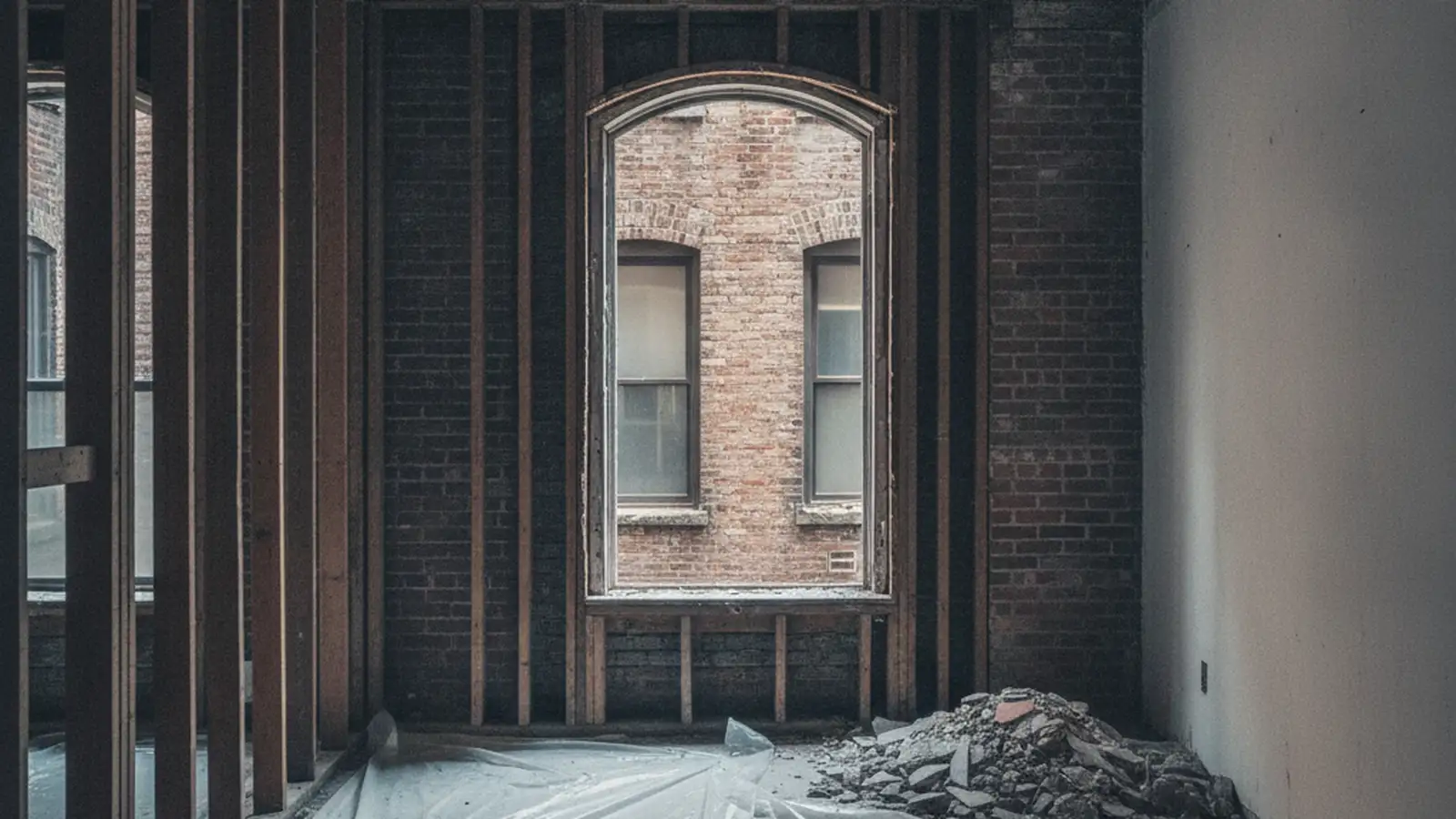
Brooklyn, NY
Interior Demolition in Brooklyn
We take a space back to whatever your next stage needs. Bare structure, a clean shell, or something in between, with the parts that are staying protected and untouched.
What comes out, and what stays
Interior demolition is the inside of a building coming out while the building stays up.
In a Brooklyn row house the harder question is usually not what comes out. It is what does not. A brownstone that has been through four owners still has its stair and banister, its mantels, its shutters, its plaster cornice and its wide-plank floors, and a demolition crew that has not been told is entirely capable of removing the reason somebody bought the house.
So we walk it with you and mark up the keep list before the first day. Then out goes the rest: partitions, dropped ceilings, floor coverings and the layers under them, kitchens and bathrooms, millwork and casework, redundant pipe and wire, and plaster back to brick where the design calls for it.
What stays is the structure, the facade, the windows, the risers, and everything on that list. Partial is normal. One floor of a house while the owner lives on the other is a real scope and we run it as one. In the trade that is selective demolition, and it is most of the interior work in this borough.
What decides the programme here
01 The stoop
Every load ends on a public sidewalk
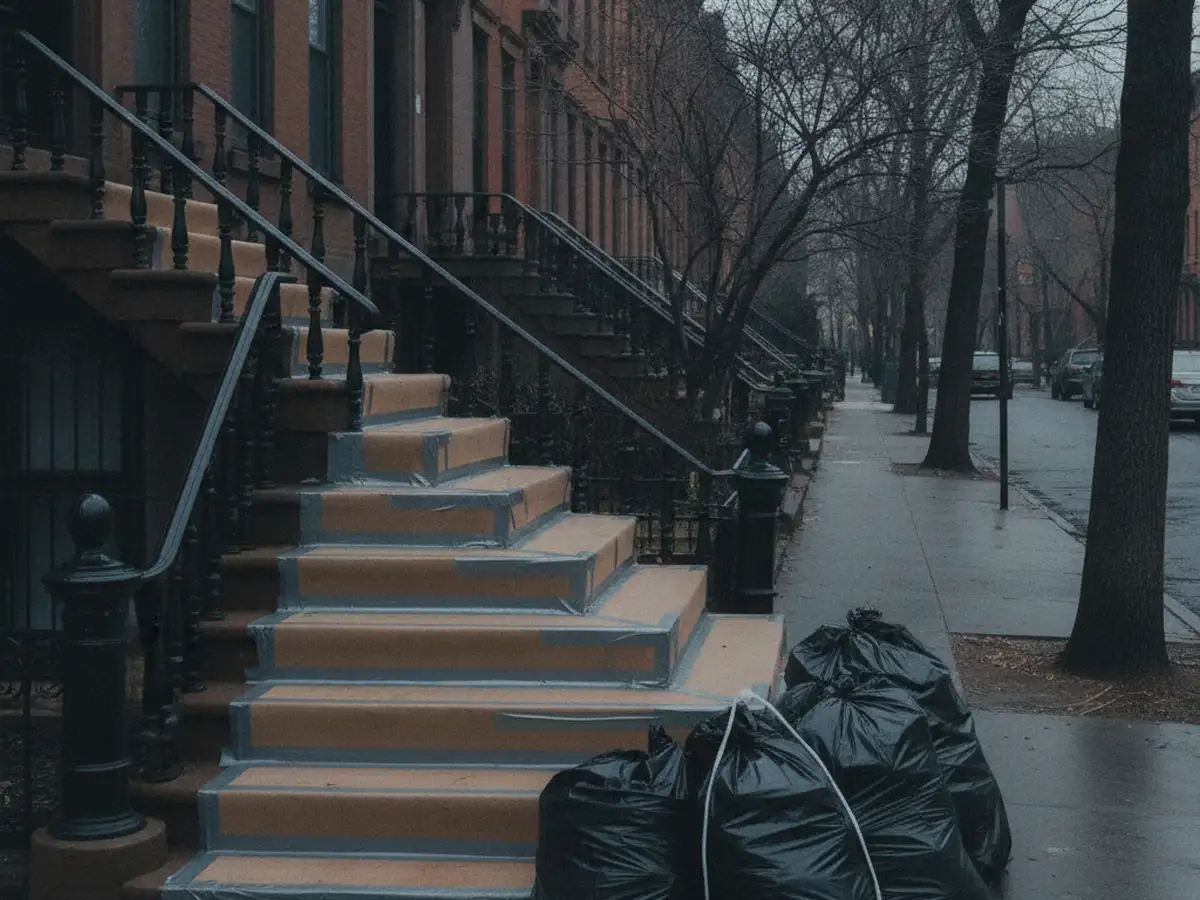
A row house has no elevator and no driveway. Material comes down a stair that turns twice, out through the parlor door and down the stoop, or out at garden level, and either way it lands on a sidewalk the whole block uses.
Treads, handrails, the vestibule floor and the stoop itself are boarded before the first load. The sidewalk stays clear and passable for the duration. The container at the curb is arranged around alternate-side parking and school hours, because a container that cannot be swapped on the day you need it stops the job.
02 The elevator
Pre-war apartments in Flatbush and Bay Ridge
Six-storey buildings with one passenger car and no freight. Everything leaves in the car the residents use, in the windows the superintendent releases, with the cab lined and the lobby covered first.
That allocation paces the job more than the scope does. Two hours a day is a different programme from an open afternoon, on identical square footage.
03 The dock
Conversions and lofts in the north of the borough
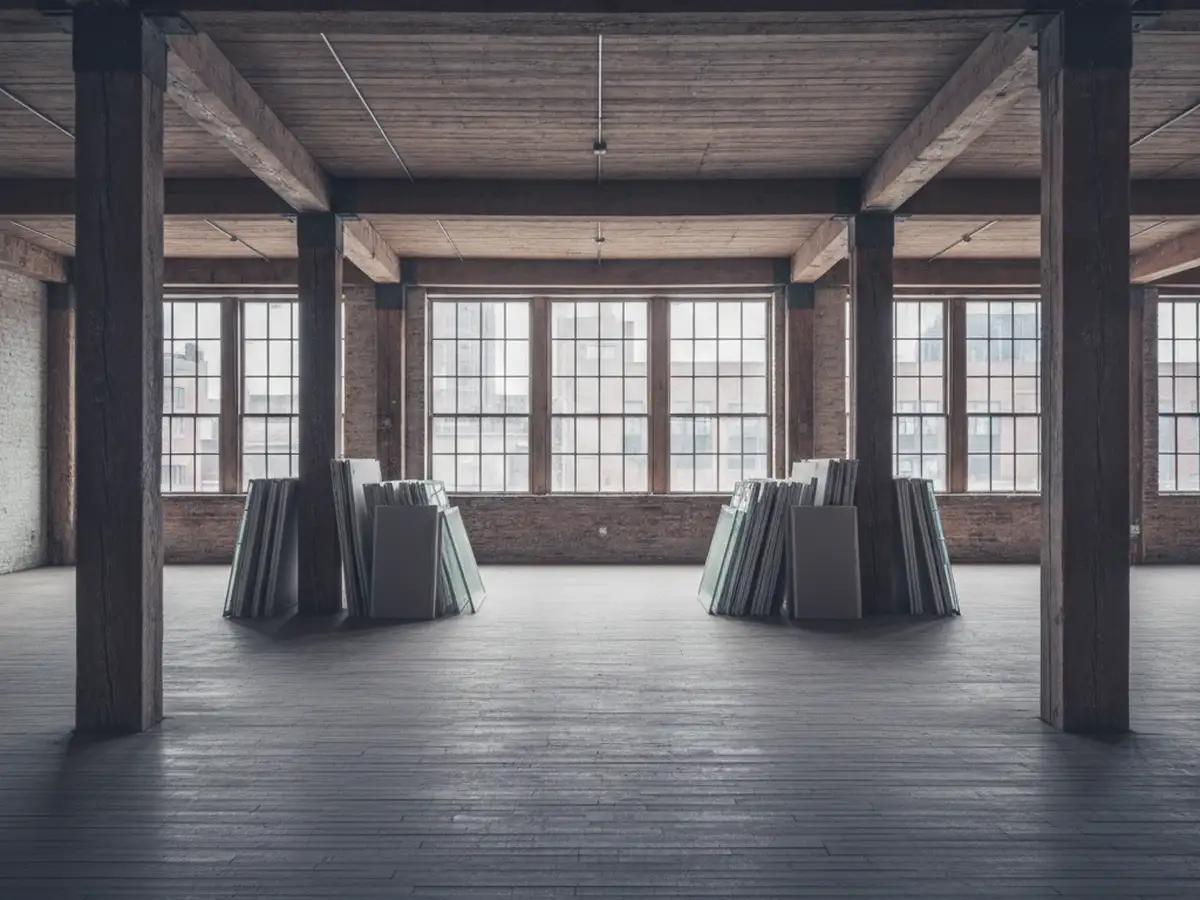
Converted warehouses in Williamsburg, Greenpoint and Bushwick have big floor plates, heavy timber or concrete frames and street-level loading, and Downtown Brooklyn and DUMBO have shared freight released in blocks.
Here the building helps rather than resists. What is usually being removed is a previous conversion rather than an original fit-out, so the partitions were built to no consistent standard and the services went wherever the last tenant found room.
Before the first wall
Three things sit ahead of the work in this borough, and the third is the one people forget.
The asbestos assessment. Where the building went up before 1 April 1987 and the job needs a Department of Buildings permit, a DEP certified asbestos investigator has to inspect the areas the work will disturb and file with the Department of Environmental Protection before the permit issues. That is effectively every brownstone and every pre-war apartment building here. It is the owner's filing and it is the commonest reason a start date moves.
The hours. Construction activity runs 7:00 AM to 6:00 PM on weekdays, and anything outside that needs an After Hours Variance filed a few business days ahead.
And Landmarks. So much of the brownstone belt is designated that the certificate is close to routine here, and it sits ahead of the permit rather than beside it. For interior work that leaves protected features alone it is a Certificate of No Effect, issued at staff level in about ten business days, which is nothing at all if it was ordered in week one.
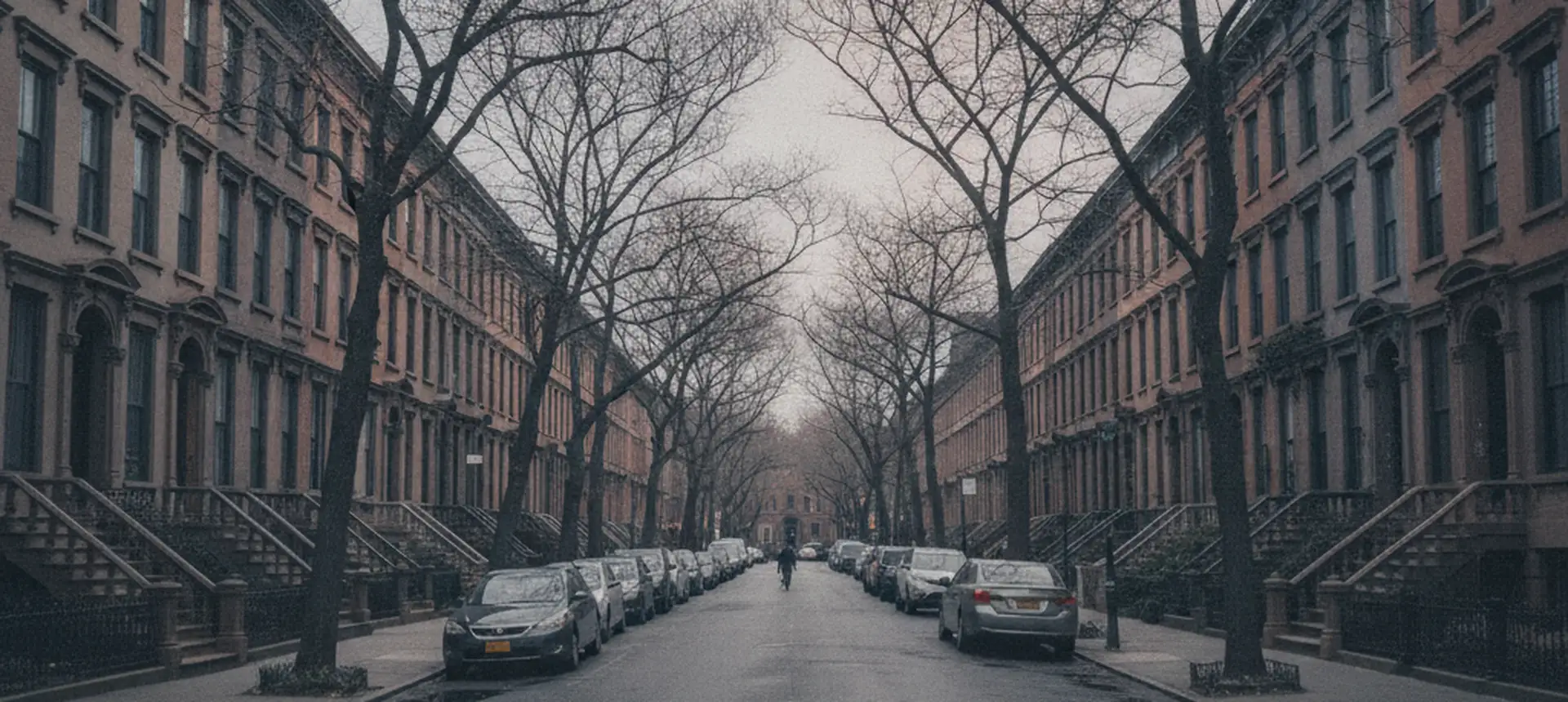
A Brooklyn brownstone street
How we work in a live building
The block is watching
Stoop, vestibule, stair, floors and the sidewalk in front are protected before anything comes down, and the frontage is left tidy every evening.
Dust control
Openings sealed, negative pressure where it is warranted, and cutting kept wet where the material allows. In a house with one stair, the route to the front door is what gets contaminated if nobody plans for it.
Noise in windows
Loud work is grouped and run inside agreed hours. On an attached block that is two neighbouring households, and they are told before the first day, not after the first complaint.
Daily clear-down
The space is left safe and swept at the end of each day. Nothing is stored in a hallway, on a stoop or on the sidewalk overnight.
Common questions
What is interior demolition?
Taking out the inside of a building while the building itself stays up. Walls, ceilings, floors, fittings and services come out. The structure, the facade and usually the windows stay.
It is what most people mean when they say a space needs gutting before a fit-out or a renovation, and in Brooklyn it usually also means agreeing what original detail is being kept before anyone starts.
What is the average cost for interior demolition?
There is no useful average, because the same square footage can differ several times over in price.
Here the two things that move it most are the plaster and the stoop. Drywall on studs in a converted loft with street-level loading is straightforward. The same area of plaster on masonry, three floors up in a row house, carried down a turning stair to a container at the curb, is a much larger job for the same drawing.
We walk the space, price the actual scope, and say which parts could still move once the plaster is off. Tell us your date when you call and we will tell you what we can hold.
Do I need an asbestos assessment before interior demolition can start?
If the building was built before 1 April 1987 and the work needs a Department of Buildings permit, then yes, one has to be filed before that permit is issued. In the brownstone belt that is effectively every house.
A DEP certified asbestos investigator inspects the areas the work will disturb and files Form ACP-5 with the Department of Environmental Protection. Where material is present but sits under the DEP thresholds and will not be disturbed, the ACP-5 can still be issued.
It is the customer's own filing and not part of a demolition contract, and the permit waits on it, so order it early.
What hours can demolition work happen in New York City?
Construction activity may be carried out from 7:00 AM to 6:00 PM on weekdays. Anything outside that needs an After Hours Variance from the Department of Buildings, filed a few business days before the first day and able to cover days inside a fourteen day window.
On an attached street the more useful question is what the block will live with rather than what the city permits. A row house shares a wall on each side, and a job that keeps reasonable hours finishes with the neighbours still speaking to the owner.
What happens to the debris?
Clearing it is part of the job. You do not have to arrange it separately.
Material is broken down, bagged or bundled and staged on protected floor, then carried out down the stoop or through the garden level, or moved in the elevator windows where there is a lift. Carting off site is done by a registered carting company and we coordinate the two halves so they line up.
The container at the curb is the part that needs planning in this borough. Where it stands, how long it may stay and when it can be swapped are settled before it arrives. You get the space back swept and clear.