
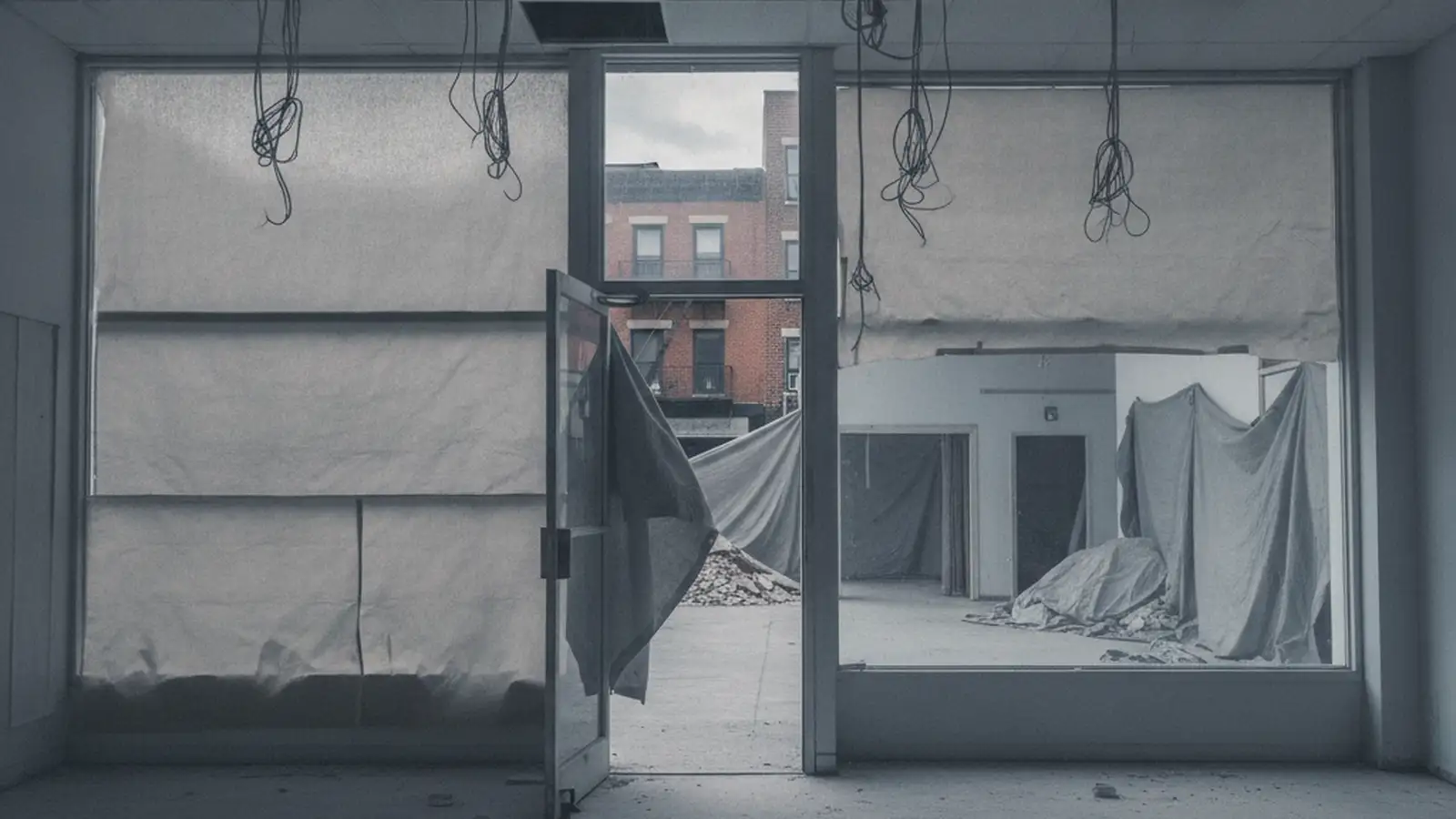
Brooklyn, NY
Commercial Demolition in Brooklyn
Office, retail, restaurant and warehouse strip-outs across Brooklyn, fitted to your fit-out date and to the loading the building actually has.
Strip-outs that fit a schedule
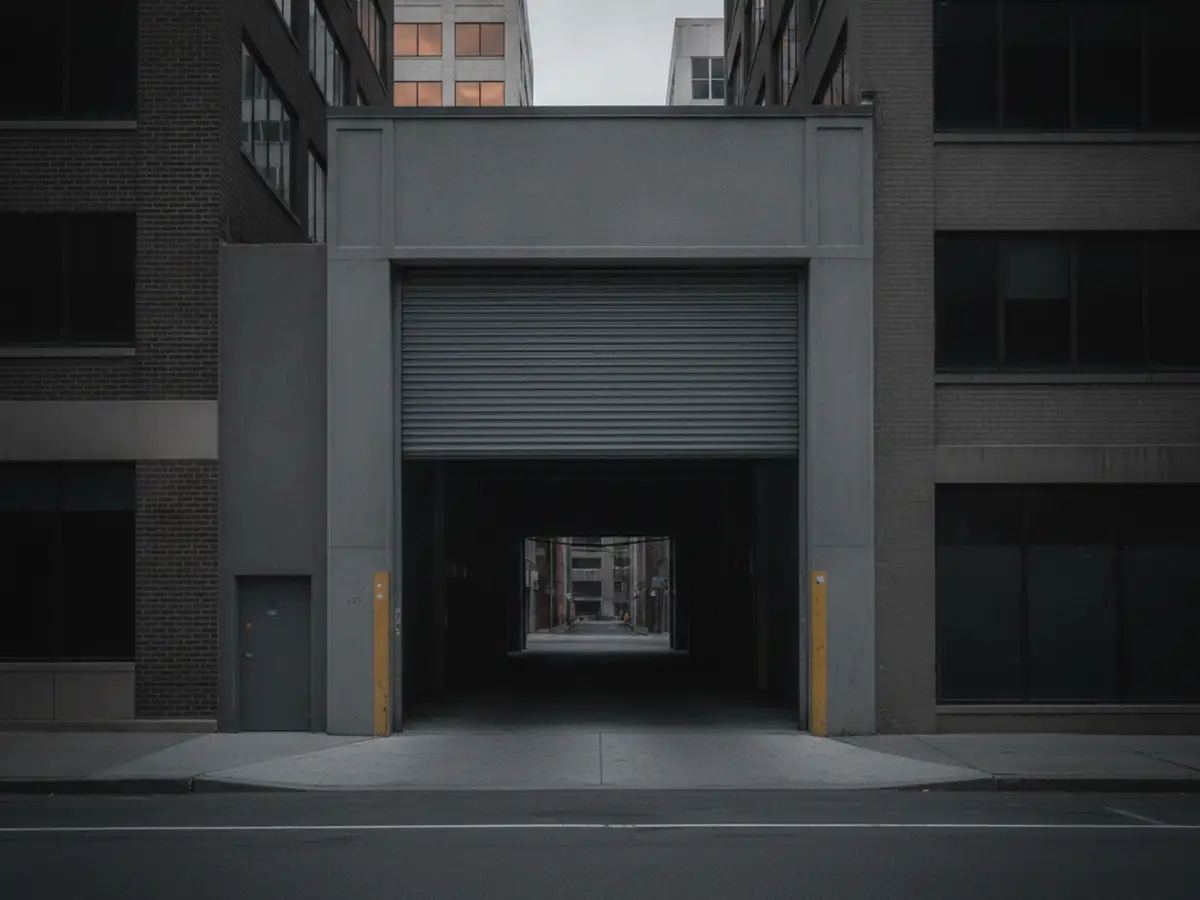
A commercial strip-out is rarely the point of the project. It is the gap between one tenancy and the next, measured against a date somebody has already committed to.
So we plan it backwards from that date, and the first thing to establish is how material leaves. Brooklyn gives three very different answers. Downtown Brooklyn and DUMBO give you a shared freight elevator released in blocks and a loading dock off a narrow street, which is a Manhattan-shaped problem at a Brooklyn scale. The avenues give you a shopfront and a curb. Red Hook, Sunset Park and the warehouse blocks of north Brooklyn give you a roll-up door and room for a container.
Once the loading is known, the rest follows. How much can physically leave in a day, what protection the neighbours above and beside need, and where the noisy operations sit in the week. A programme quoted before those are settled is a guess that gets found out in the second week.
What comes out is the fit-out: partitions, ceilings and grid, flooring and the screed under it, joinery and casework, shopfronts, kitchen and bar installations, redundant mechanical and electrical, and the pipe and cable behind them. What stays is what the next stage needs, marked and protected before we start.
Four kinds of Brooklyn commercial space
01 Downtown Brooklyn and DUMBO
Office floors that empty on a lease date
Mid-rise office and loft stock with shared freight, loading docks opening onto streets that were never wide, and fit-out calendars everyone on the floor is working to.
Freight is shared with every other trade in the building, so the hours you are given are the real programme. We book what we are given, stage material so it is ready when the car is, and hand the corridor and the lobby back in the state the managing agent expects.
02 The avenues
Retail and restaurants under apartments
A shop or a restaurant on a Brooklyn avenue is a demolition job with residents overhead and a public sidewalk in front. Hours are tighter than the lease implies, sound carries up through the structure, and the frontage belongs to the block.
Restaurants add grease-laden ductwork through occupied floors, walk-in boxes too large to leave whole, tiled floors on a mortar bed, and gas, grease and water lines capped by the right trade before anything is cut.

03 Williamsburg, Greenpoint and Bushwick
Warehouse conversions
Big floor plates, heavy timber or concrete frames, tall industrial windows and street-level loading. Conversions are the most satisfying commercial demolition in the borough because the building actually helps.
The work is often stripping out a previous conversion rather than an original fit-out, which means partitions built to no consistent standard and services routed wherever the last tenant found room.
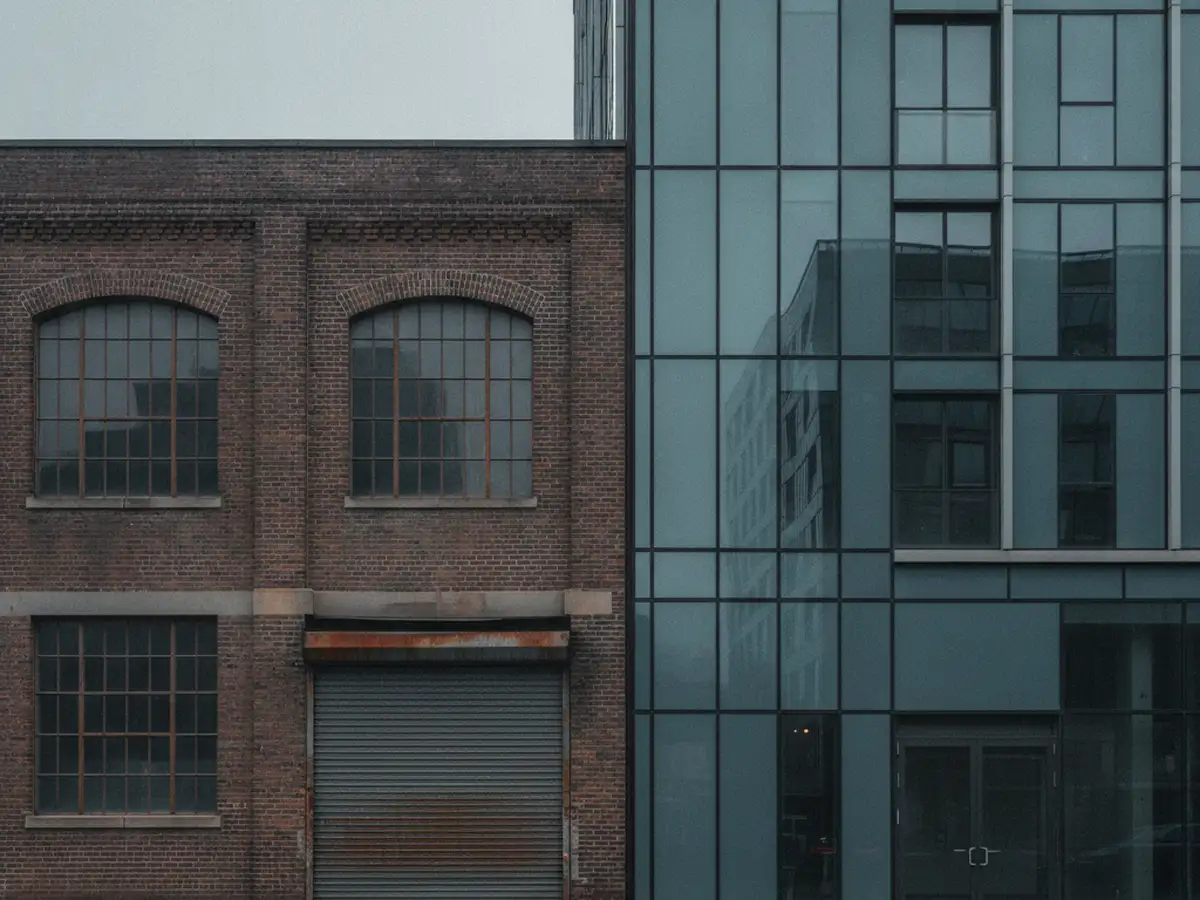
04 Red Hook and Sunset Park
Where the dock solves it
Industrial and warehouse space with roll-up doors and room for a container standing at the work.
The constraint moves from access to structure. Thick slabs, machine bases, heavy frames and enough space that the piece size stops mattering. It is the one part of the borough where the price is set by the material rather than by the building.
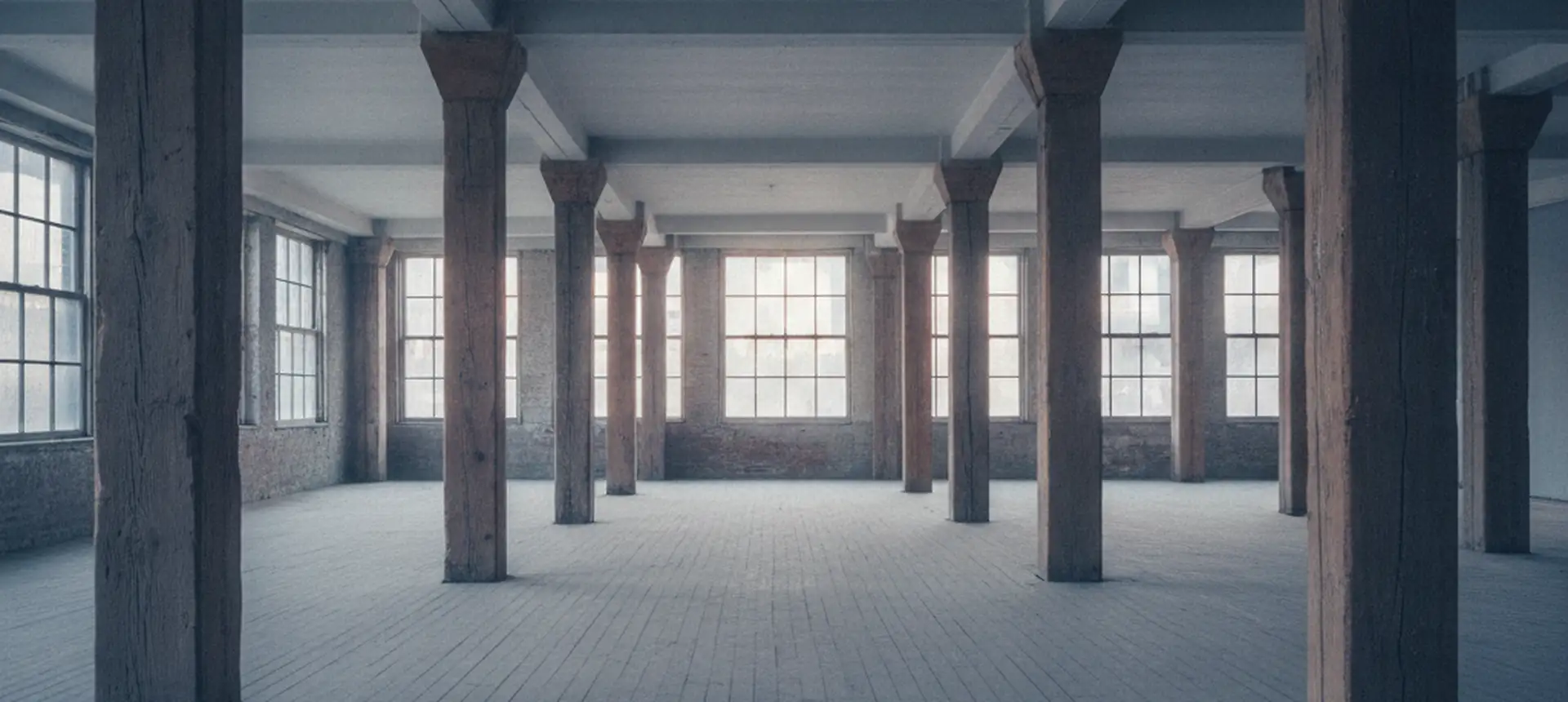
A converted warehouse floor
What we hold to on a live floor
Most commercial work here happens with somebody living or working directly above it. That is the usual case and not a complication, and it is what the sequence and the price are built around.
Protection goes in before anything comes down. The sidewalk and the entrance, the stair and the corridor where the space is upstairs, the lobby floor and the freight cab, and anything staying in the space itself. It is faster to protect a lobby than to repair one, and a managing agent remembers a damaged corridor far longer than a tidy one.
Dust separation is real: the work area is sealed, with negative pressure where the job needs it. Noisy work is grouped into the windows the building and the block will actually take. Debris is bagged and staged as it is produced and never left in a corridor or on a sidewalk overnight. Material leaves on the schedule agreed and is carted away by a registered carter.
At the end you get a written account of what was found behind the walls, because the trades who follow are the ones who have to deal with it.
Common questions
How long does an office strip-out take?
It is decided by how much material can leave the building in a day rather than by how big the floor is.
In Downtown Brooklyn or DUMBO that means the freight hours you are given, the capacity of the car, and how far the floor is from it. A floor with four hours of freight a day takes roughly twice as long to clear as the same floor with eight. In a converted warehouse with street-level loading the same area clears in a fraction of the time.
We establish those numbers on the walk-through and quote a programme against them.
Can you phase the work around tenants who are staying?
Yes. On a shared floor or in a building with residents above, that is the job itself.
Phasing means a sealed work area with its own protected route in and out, noisy operations grouped into agreed windows, and a space left safe and clean at the end of every shift, not just at the end of the job. We agree the phase boundaries with you and the managing agent before we start, because moving one halfway through costs more than planning three.
Can you work nights or weekends?
Yes, where the approvals allow it, and it is worth raising at the estimate.
Construction activity outside 7:00 AM to 6:00 PM on weekdays needs an After Hours Variance from the Department of Buildings, filed a few business days ahead and covering days inside a fourteen consecutive day window.
On a Brooklyn avenue the harder limit is usually the apartments over the unit rather than the city. A shop that could legally run to six in the evening often should not, and it is better to plan around that in week one than to be stopped in week three.